Anatomical Heart Machine Embroidery Review
As a designer who has spent years navigating the fine line between artistic vision and machine reality, I approach every new machine embroidery design with a critical eye. The market is flooded with generic motifs, but occasionally, a design arrives that offers genuine depth and narrative potential. That is exactly how I felt when I first opened the files for the Anatomical Heart Machine Embroidery. Unlike the standard, stylized hearts that dominate the Valentine S Day season, this piece leans into medical accuracy and organic texture, presenting a unique opportunity for creators looking to elevate their brand beyond the cliché.
First Impressions: Beyond the Cliché
The immediate visual impact of the Anatomical Heart Machine Embroidery is its authenticity. It does not shy away from the complex curves, chambers, and vessels that define the actual human heart. For a craft business owner or an Etsy seller, this level of detail signals professionalism. When you look at the layout, it feels less like a cartoon and more like a botanical illustration translated into thread. This distinction is crucial for creating a handmade product that stands out in a crowded marketplace. The mood it creates is one of appreciation for life, making it suitable not just for romance, but for gifts celebrating survival, health professions, or even memorial tributes.
In my initial review, I considered how this embroidery file would translate into a finished project. The lines are distinct enough to hold up against various stitch types, suggesting that the digitizer put significant thought into the flow of the needle. Whether you are planning a sweatshirt embroidery project for a boutique or a delicate baby embroidery item, the design’s personality remains consistent. It commands attention without feeling cluttered, a balance that is often difficult to achieve with intricate subjects.
Real-World Application: From Hoop to Product
To truly understand the value of this digital embroidery file, I imagined a specific scenario: creating a limited-run collection of canvas tote bags for a local art gallery opening. The goal was to produce a tote bag design that felt sophisticated yet accessible. Using the Anatomical Heart Machine Embroidery on natural cotton canvas immediately transformed the plain fabric into a statement piece. The organic shape of the heart complemented the texture of the canvas, while the detailed veins added a layer of sophistication that a simple printed logo could never achieve.
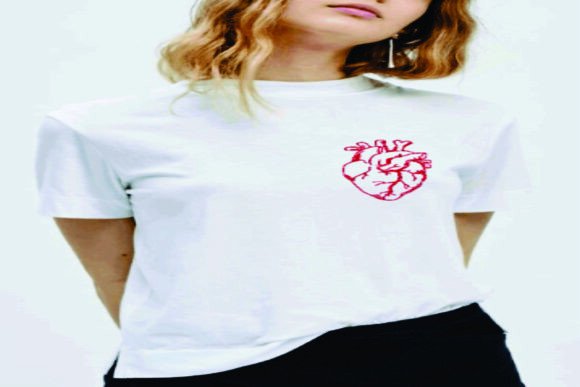
I also tested the concept mentally on custom apparel, specifically a heavy-weight hoodie. In this context, the design serves as a focal point on the chest. Because the design includes both open spaces and dense areas, it allows for creative use of thread colors. Imagine stitching the main structure in a deep crimson using fill stitch, while highlighting the arteries and veins with a contrasting metallic gold or silver satin stitch. This combination elevates the perceived value of the finished product, allowing small shop owners to charge a premium for their work. The versatility extends to embroidered patch production as well, where the anatomical details can be backed with felt or twill for a durable, wearable accessory.
For those focusing on holiday embroidery or personalized gifts, this design opens doors that traditional hearts do not. A personalized gift for a nurse, doctor, or biology student becomes instantly meaningful. The design assets provided allow for customization, meaning you can add names or dates alongside the heart without disrupting the overall composition. This flexibility is essential for commercial embroidery projects where client specificity drives sales.
Navigating Technical Challenges
While the aesthetic appeal is high, practical application requires careful consideration. As with any detailed machine embroidery design, the success of the Anatomical Heart Machine Embroidery depends heavily on execution. One area requiring caution is the use of small hoop sizes. If you attempt to stitch the largest version of this design in a 4x4 hoop, the density will likely cause puckering, especially on lighter fabrics. Always check the recommended hoop size before committing your best materials.
Fabric choice is equally critical. On textured fabrics like denim or corduroy, the fine details of the heart's vessels might get lost if the stitch density is too low. Conversely, on very thin or stretchy fabric, the weight of the stitches could distort the garment. I strongly advise using a high-quality stabilizer, preferably a tear-away or cut-away type depending on the fabric weight, to ensure the design lays flat. For dark fabric backgrounds, consider adding a layer of underlay or using a backing sheet to prevent the threads from sinking into the material, which can mute the vibrant colors.
Another challenge lies in the applique option mentioned in the product description. While the design looks great stitched directly onto clothes, converting it to an applique requires precise cutting and edge stitching. The intricate curves of the anatomical heart mean that any misalignment in the cut edges will be immediately visible. If you choose the applique route, test the design on scrap fabric first to perfect your timing and tension settings.
Designer Notes for Success
Before launching this design into your production line, there are several steps every professional should take. First, always run a test stitch on a similar fabric to your final project. This allows you to inspect small details, such as the junctions of the heart chambers, ensuring they do not become muddy or tangled. Check the thread colors against your background; sometimes a color that looks great on a screen fails to pop on physical thread due to lighting conditions.
Review the stitch density carefully. If the design appears too dense, it may require re-digitizing or adjusting your machine settings to prevent thread breakage. Additionally, confirm that the embroidery file formats provided are compatible with your specific machine software. While the listing mentions ten formats, verifying compatibility prevents last-minute headaches during production.
Finally, consider the licensing terms. As a small business owner or creative entrepreneur, understanding whether you can sell the finished product or the digital file itself is paramount. Ensure you have the rights to use the Anatomical Heart Machine Embroidery for commercial purposes, including Etsy listings and craft fair merchandise. Creating a printable mockup of your final product can also help customers visualize the result, boosting buyer engagement and trust.
Final Verdict on Visual Impact
The Anatomical Heart Machine Embroidery is a powerful tool for designers who want to move beyond the ordinary. Its ability to convey emotion through realistic detail makes it a standout choice for custom apparel, home decor, and specialized gifts. By paying attention to fabric selection, stabilizer usage, and testing protocols, you can ensure that the final stitch count translates into a flawless, high-value product. Whether you are decorating a pillow cover, a kitchen towel, or a cap, this design brings a level of artistry that resonates with discerning customers. It is not just a motif; it is a statement of craftsmanship that enhances your brand consistency and professional reputation.