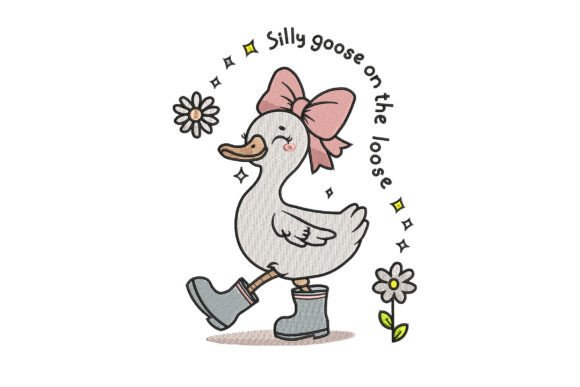
Silly Goose on the Loose Embroidery Review
As a professional embroidery designer who has spent years navigating the digital landscape for machine embroidery design assets, I constantly evaluate new releases for their potential in real-world commercial projects. Recently, I came across the Silly Goose on the Loose Embroidery file from Creative Fabrica. With its playful premise and categorization under Animal Quotes, this piece immediately caught my eye as a candidate for several upcoming orders involving children's apparel and whimsical home decor. Before integrating any new asset into my workflow, I need to assess not just the visual appeal, but how it performs when stitched onto actual fabric.
First Impressions: Visual Mood and Stitching Personality
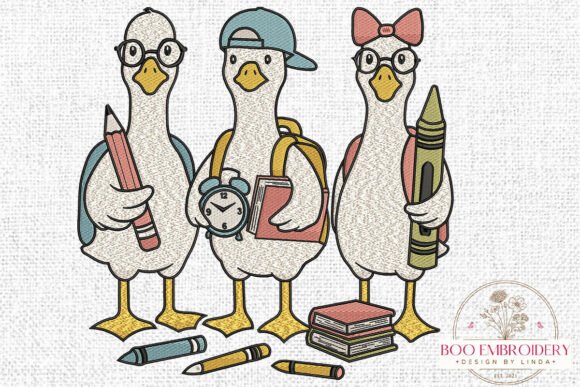
Upon opening the preview of Silly Goose on the Loose Embroidery, the immediate impression is one of lighthearted charm. The design features a character that feels animated and full of personality, which is exactly what is needed for items intended to bring a smile to a customer's face. In the world of custom apparel, designs that lack character often fail to sell, regardless of technical perfection. This specific embroidery file seems to strike a balance between detailed illustration and clean lines suitable for stitching.
The decorative appeal suggests a mix of fill stitch for the body and potentially satin stitch for outlines or text elements, though without the raw file data, one must verify the specific stitch types used. For a design labeled as "Silly," the execution needs to avoid looking too stiff or overly dense. A successful machine embroidery design in this category should have enough breathing room to allow the fabric to move, especially if applied to stretchy materials like sweatshirts or t-shirts. The mood is undeniably fun, making it a strong contender for nursery decor, funny kitchen towels, or even a framed piece for a child's room.
Performance in Real Embroidery Work
When considering Silly Goose on the Loose Embroidery for production, I visualize it working exceptionally well on tote bags and sweatshirt embroidery. Tote bags offer a flat, stable surface that allows the details of the goose to shine without distortion. Similarly, sweatshirts provide a sturdy canvas where the texture of the fleece can complement the raised look of the stitches. However, applying this design to pajamas requires careful thought regarding comfort; the back of the garment must remain soft against the skin.
For those creating an embroidered patch, this design could be a hit. Patches are versatile and can be sewn onto denim jackets, backpacks, or hats, extending the life of the design beyond a single garment. If you are planning to use this for commercial embroidery products, such as boutique merchandise or craft fair items, the whimsical nature of the goose fits perfectly with the handmade aesthetic. It adds a touch of storytelling to the finished product, which is crucial for building brand consistency and engaging customers who value unique, personalized gifts.
I also see potential in using this as a tote bag design for local farmers markets or school events. The durability of the design on canvas material would withstand frequent washing, provided the correct stabilizer is used. For home decor, imagine this design on a pillow cover or an apron. The contrast of the playful goose against a neutral kitchen background creates a focal point that invites conversation. Whether it is a baby blanket or a funny kitchen towel, the versatility of Creative Fabrica embroidery assets like this one allows for diverse applications.
Practical Considerations for Hoop Size and Fabric
One of the most critical aspects of reviewing any digital embroidery file is understanding its physical constraints. While the description suggests suitability for various items, the actual hoop size required is a key factor. If the design is large, it may not fit into a standard 4x4 hoop, limiting its use on smaller items like caps or small patches. Conversely, if it is too small, the details might get lost on textured fabrics.
Stitch density is another area that demands attention. High-density areas can cause puckering on lightweight fabrics like t-shirts or thin cotton used for kitchen towels. To mitigate this, always test on scrap fabric first. Check the thread color contrast to ensure the design pops against the base material. Dark fabrics often require a backing or underlay to prevent the colors from appearing dull. When working with curved cap surfaces, the design must be flexible enough to wrap without distorting the image. Always inspect small details after stitching to ensure no threads are loose or broken.
Enhancing Product Value and Presentation
Incorporating Silly Goose on the Loose Embroidery into your product line can significantly affect buyer trust and perceived value. A high-quality, well-executed design signals professionalism. When customers see a crisp, vibrant goose on a sweatshirt or a neatly stitched pillow, they are more likely to view the item as a premium handmade product rather than a mass-produced good. This visual appeal is essential for product photography; a clear, sharp design photographs beautifully, increasing engagement on platforms like Etsy or Instagram.
Furthermore, the ability to create a personalized gift adds immense value. Parents love unique items for their children, and a design that captures a sense of fun is always in demand. By offering this as part of a collection of custom apparel, you differentiate your shop from competitors selling generic graphics. The design assets provided by platforms like Creative Fabrica allow small business owners to scale their offerings without spending hours digitizing every single image themselves.
Final Thoughts for Designers and Sellers
Before committing to Silly Goose on the Loose Embroidery for a paid order, I strongly advise checking the specific product details on the Creative Fabrica page. Confirm the file formats included, as different machines may require specific extensions. Verify the licensing terms to ensure you are covered for commercial use, whether you are selling the finished items or the digital file itself. Do not assume compatibility; always review the stitch count and recommended stabilizer type.
If you are looking for a versatile machine embroidery design that brings joy to your customers, this piece warrants a closer look. Its application ranges from children's clothing to whimsical home decor, making it a valuable addition to your library of design assets. Just remember, the success of any embroidery project lies in the preparation. Test your settings, choose the right stabilizer, and match your thread colors carefully. With these steps, Silly Goose on the Loose Embroidery can become a standout feature in your next handmade collection.
- Test on Scrap Fabric: Always run a test stitch to check for puckering or alignment issues before cutting final material.
- Check Thread Colors: Ensure high contrast between the design and the fabric for maximum visibility.
- Review Licensing: Confirm that the Commercial License covers your intended sales channels, such as Etsy or wholesale.
- Select Proper Stabilizer: Use tear-away or cut-away stabilizers based on the fabric weight to maintain design integrity.
- Inspect Details: After stitching, trim loose threads and check for skipped stitches, especially in small text areas.
Ultimately, the decision to download and use Silly Goose on the Loose Embroidery depends on your specific project needs and the quality standards you set for your brand. As a tool for creative entrepreneurs, it offers a charming option for bringing a bit of humor and warmth to your custom creations. Whether you are decorating a sweatshirt, creating a funny kitchen towel, or crafting a unique gift, this design has the potential to delight both you and your customers.